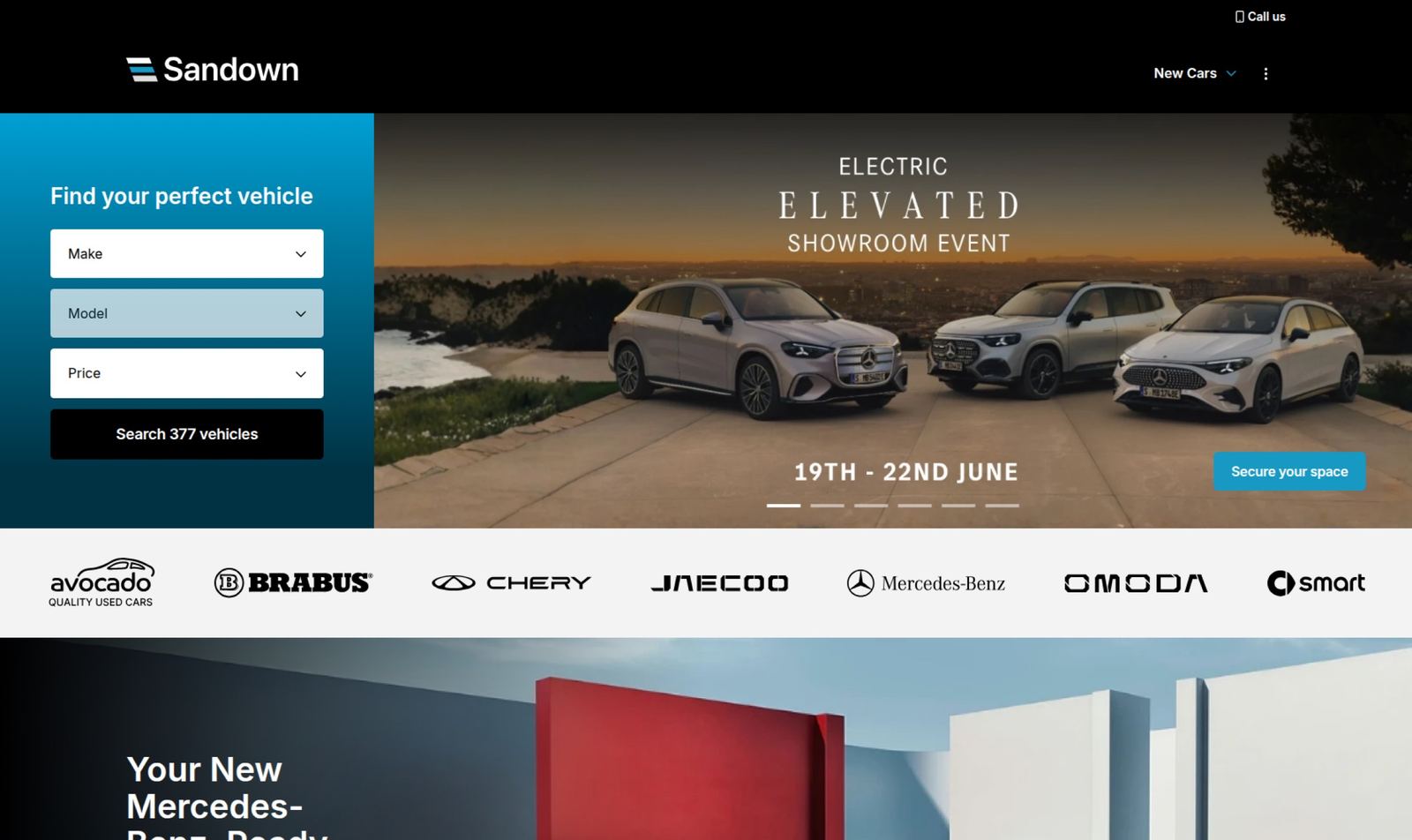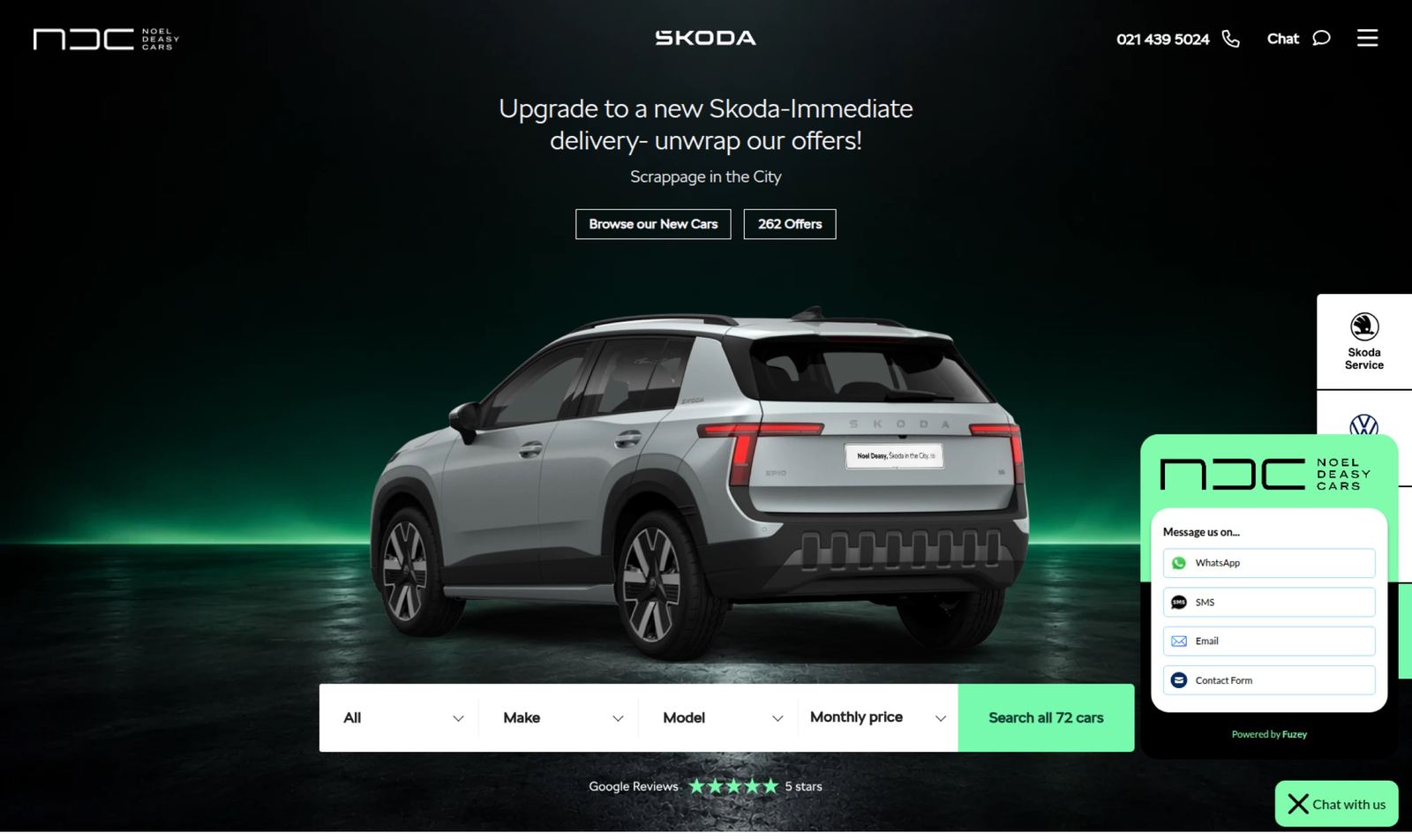
For dealer groups, the challenge is rarely a lack of marketing activity. More often, it is the difficulty of keeping content accurate, consistent and up to date across a growing website estate.
That becomes even more complex when multiple brands, departments, campaigns and stakeholders are involved. Pages need updating quickly. Images need to display properly. Teams need confidence that changes are controlled, and that content can be managed efficiently without creating unnecessary admin.
That is exactly why we continue to develop the content tools within Autonomy.
At Autonomy, we see content management as more than a backend function. It is a critical part of how in-house marketing teams work day to day. The right tools help teams move faster, reduce friction and maintain stronger control over the website experience. That is why we have introduced features such as page versioning, nested page structure, focal point image controls and cleaner image handling, all designed to make website management more practical, efficient and scalable.
Why content control matters
Dealer websites are no longer static brochures. They are active marketing platforms, used to support campaigns, franchise messaging, local activity, seasonal promotions and always-on content.
For in-house teams, that means the website must be practical to manage. If updates are slow, difficult to track, or too dependent on development support, the platform becomes a blocker rather than an enabler.
Modern marketing teams need to be able to work quickly without losing control. They need tools that make it easier to update pages, manage structure, handle imagery properly and maintain consistency across the site. That is why these features matter so much within Autonomy: they are built to help teams manage content more confidently and with less day-to-day friction.
Page versioning supports safer updates
One of the most useful improvements we have introduced is page versioning.
For teams managing multiple pages and regular updates, versioning adds an important layer of control. It makes it easier to track what has changed, review previous versions and manage edits with greater confidence. That is particularly valuable when several people are involved in the content process, or when campaign pages need to be updated at pace.
From a governance point of view, versioning reduces risk. It gives teams a clearer record of changes and makes it easier to correct mistakes if needed. From a practical point of view, it helps marketers work faster because they are not updating content blindly.
Nested page structure improves organisation
As websites grow, structure becomes increasingly important.
That is why we introduced a clearer nested page structure within Autonomy. Instead of handling pages as a flat list, marketers can view and organise content in a hierarchy that better reflects the site itself. That makes it easier to manage sections, maintain consistency and understand how content fits together.
For dealer groups with multiple franchises, departments or campaign pages, that clarity is especially valuable. It reduces confusion, makes larger websites easier to navigate from an admin perspective, and helps teams keep control as content expands over time.
Better image controls reduce unnecessary friction
Images play a major role in how a website looks and feels, but they can also create unnecessary admin if the platform does not handle them well.
Focal point image controls are a simple but important example of this. They allow teams to choose the most important part of an image when it is cropped, helping visuals display more consistently across the site. That means less time spent reworking assets and less risk of key imagery being displayed badly on different devices or layouts.
We have also introduced cleaner image handling to make day-to-day content management simpler. When the system makes images easier to manage and display properly, marketing teams can update content more efficiently and maintain a higher visual standard without extra manual effort.
Faster teams, stronger consistency
These tools are not just about convenience. They support a better way of working for modern marketing teams.
For in-house teams, the benefit is speed. Updates become easier to manage, campaigns can be launched with less friction, and day-to-day website administration becomes more efficient. For group marketing functions, the benefit is also control. Stronger oversight of structure, imagery and version history makes it easier to protect brand consistency across a wider digital estate.
That balance matters. Marketing teams need the flexibility to move quickly, but they also need the governance to manage content confidently. That is exactly what these tools within Autonomy are designed to support.
For dealer groups managing multiple sites, pages and campaigns, those details make a real difference. They reduce admin friction, improve consistency and help teams spend less time wrestling with the platform and more time focusing on the content itself.
Because the best content tools do not just make websites easier to manage. They make marketing teams more effective.