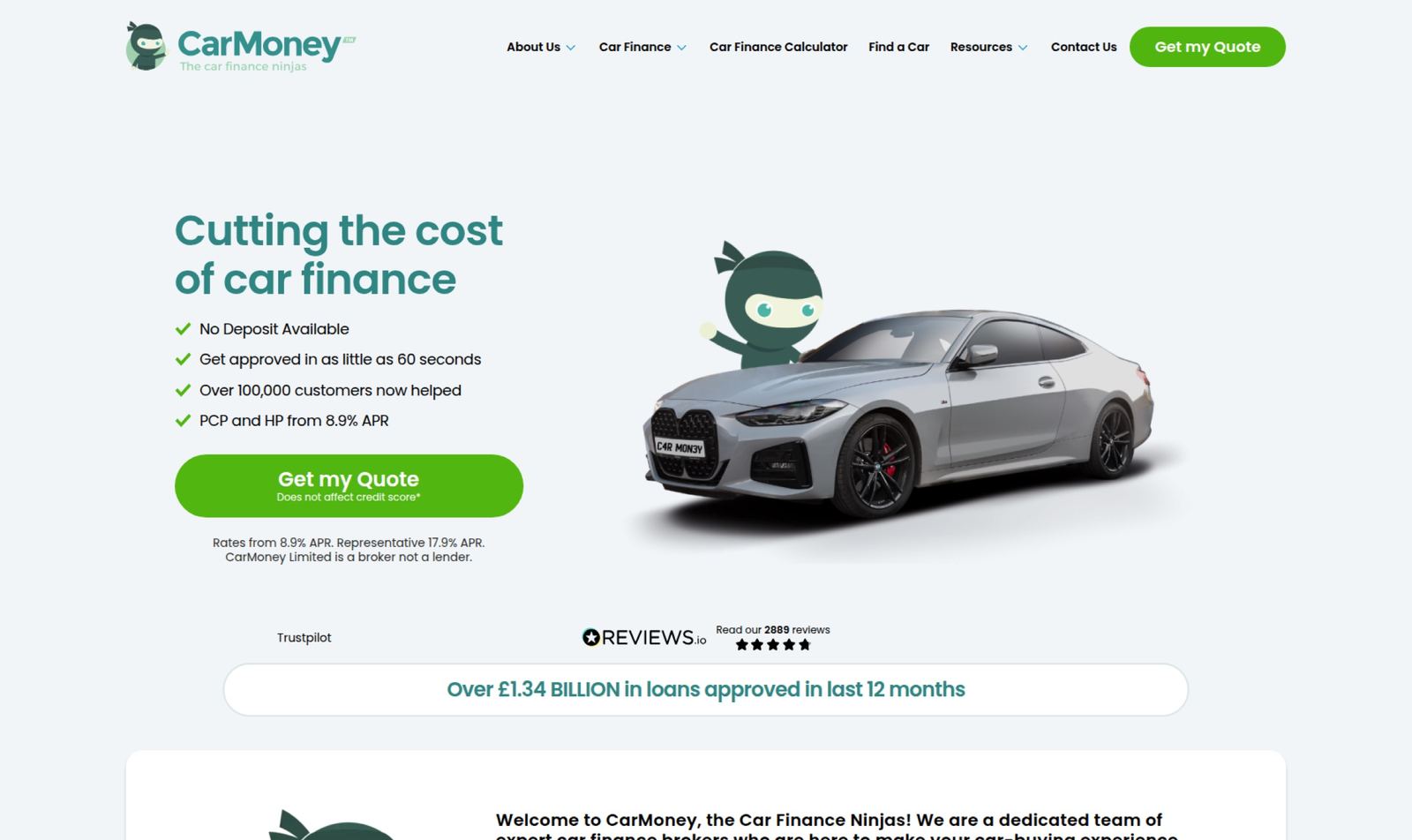
CarMoney has worked with mtc. since 2016, which is long enough to have been through several versions of what a good automotive website looks like. The most recent move was the largest: a new stock site built on Autonomy, carrying a feed of over 150,000 vehicles for sale.
What makes this one interesting is that CarMoney is not a dealer group. It is a car finance business, and its customers arrive with a different question. A dealership visitor is choosing between cars on one forecourt. A CarMoney visitor is working out what they can afford across a national supply of stock, then finding a car that fits. Those are not the same website.
Why they moved
The decision was driven by the cost of standing still. Legacy platforms accumulate two problems in parallel: the maintenance overhead grows, and the ability to connect to anything new shrinks. For a business whose whole model depends on integrating with dealer partners, the second is the one that hurts.
With many legacy technologies coming with a maintenance overhead or API connection limitations, we chose to launch with Autonomy so that we can take advantage of the best tech from across the sector, connect easily with our dealer partners, and give our customers the best experience possible.
That is Andrew Marshall, CarMoney's Head of Marketing, Partnerships and Propositions, and it is a fair summary of the reasoning. The platform choice was about what could be connected next, not about how the site looked on launch day.
Where the platform had to flex
CarMoney's requirements sat outside the conventional dealership scenarios Autonomy was designed around. That is a real test of a platform, and the honest version is that it is the point at which a lot of products would have needed a separate build.
It did not need one. The scope went in during the normal build process, including a full finance integration with Codeweavers, which was already one of the 50-plus pre-built integrations in the platform rather than something written specially. As Andrew put it:
CarMoney has different use cases from the typical dealership customer for Autonomy, but mtc was able to take our scope and implement it seamlessly during the build process.
What we took from it
There is a version of platform thinking that is really just standardisation, where every client gets the same site with a different logo. That is cheaper to run and considerably less useful to the client.
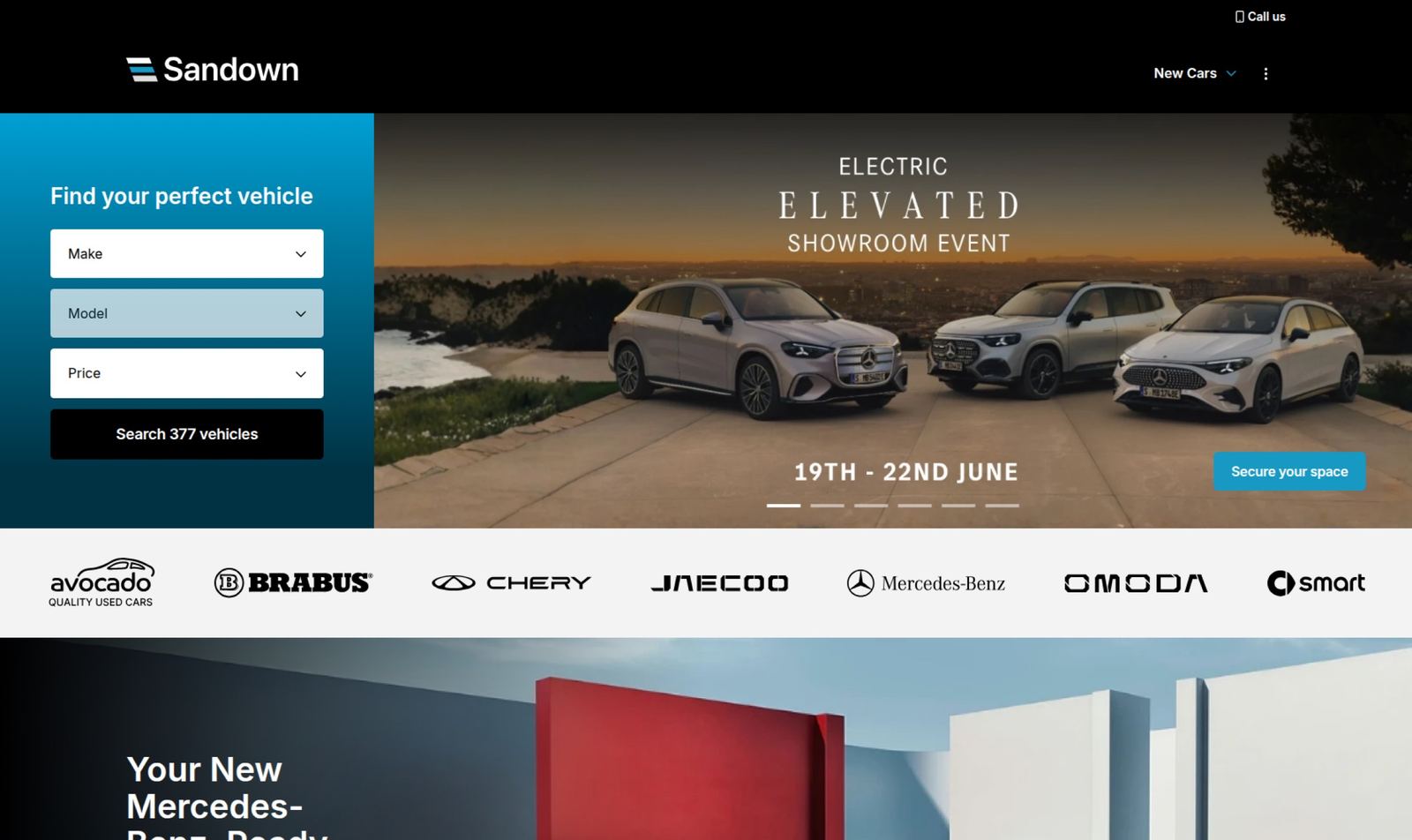
The CarMoney build is the argument for the other approach. A shared core that handles stock, finance, integrations and performance, with enough give in it that a business with a genuinely different model can be served properly rather than approximately. Sandown needed nine Mercedes-Benz sites. Noel Deasy needed one exceptional Škoda site. CarMoney needed a finance-first search across 150,000 cars. Same engine underneath.
If your model does not look like a standard franchise dealership, that is a reason to talk to us rather than a reason not to. See the integrations list, or get in touch.